
Jimmy's Top Tech Auto Blog
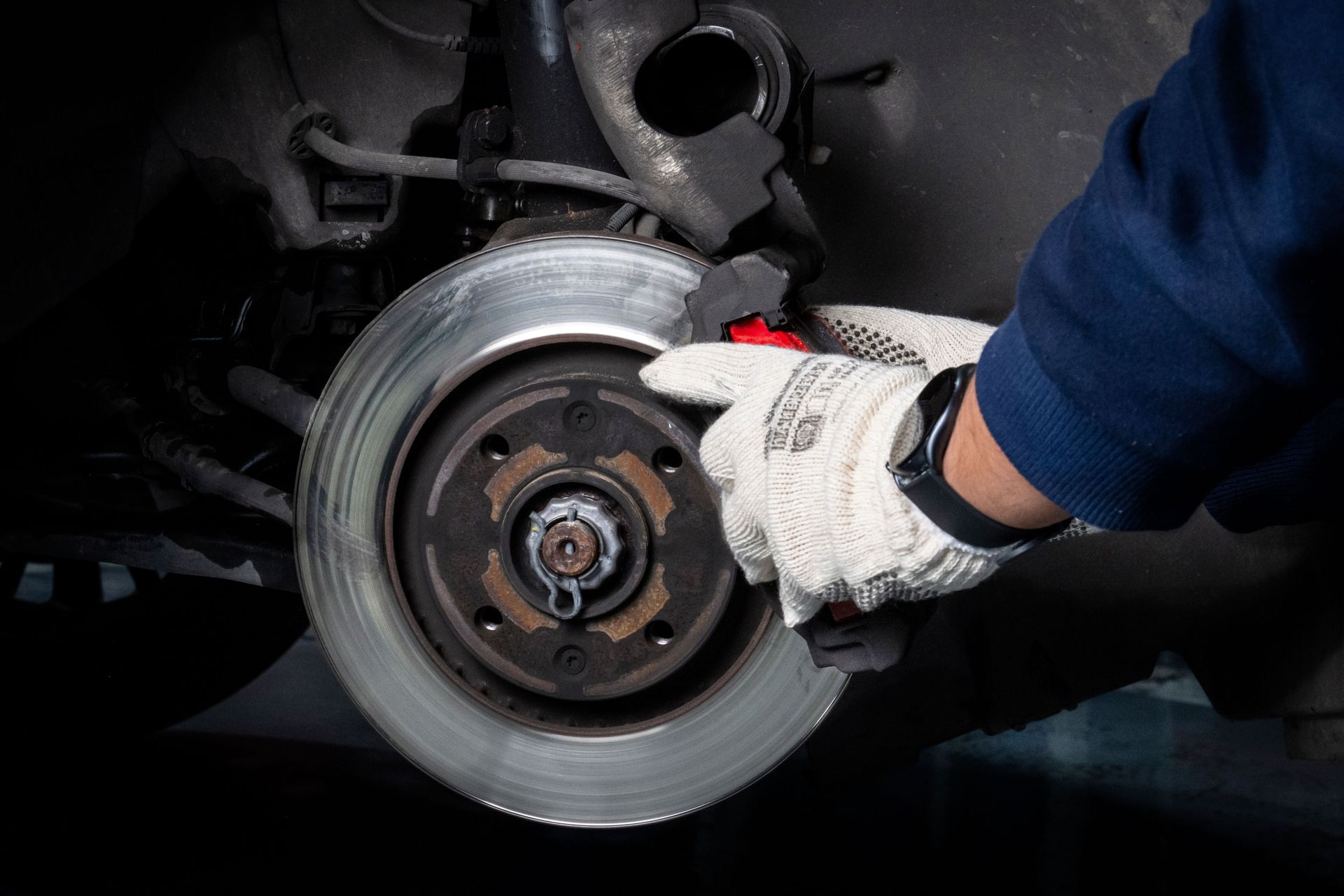
Your vehicle's braking system is one of its most important safety systems. Brake components experience significant wear through normal driving, and problems can develop gradually or appear suddenly. Recognizing early warning signs can help you address brake trouble before it affects your ability to stop safely. At Jimmy’s Top Tech Auto, our local mechanics provide expert brake repair in the greater Austin area. Here are four common indications of a brake problem. Squealing or Grinding Noises Unusual sounds when braking are among the most recognizable warning signs of a brake problem. High-pitched squealing can occur when brake pads become worn, while grinding may indicate that the friction material has been severely depleted. Grinding should be addressed promptly because continued driving could potentially damage rotors. A professional inspection can determine the source of the noise. Vibrations While Braking If there are vibrations when you apply the brakes, something may be significantly wrong with the braking system. Warped brake rotors are one possible cause. Vibrations can affect braking smoothness and may become more noticeable during harder stops. Professional diagnosis can identify the underlying issue. Pulling to One Side A vehicle that pulls left or right when braking may have an issue affecting braking force at one or more wheels. A sticking caliper is one issue that can cause this symptom. Pulling can make the vehicle more difficult to control during an emergency stop, making prompt professional inspection especially important. Soft Brake Pedal Your brake pedal should feel firm and responsive when you press it. If the pedal feels unusually soft, spongy, or sinks farther toward the floor than normal, there may be a problem with the hydraulic braking system. Low brake fluid, air in the brake lines, or another issue could contribute to this symptom. This could be due to a brake fluid leak, which poses a serious safety risk and means it’ll be best to get towed to the shop. Brake Repair in Austin, TX When you need auto repair in Austin and the surrounding area, contact Jimmy’s Top Tech Auto at (512) 768-2965. Feel free to give us a call to schedule an appointment for car care in greater Austin!

Your vehicle's cooling system works hard to keep the engine operating at a safe temperature. When a cooling system component becomes damaged, worn, or clogged, the engine may not be able to get rid of excess heat effectively. Overheating can cause serious engine damage if it isn't addressed promptly, so recognizing common cooling system problems is important. At Jimmy’s Top Tech Auto, our local mechanics provide expert cooling system repair in the greater Austin, TX area. Here are four issues that can interfere with proper cooling and potentially cause your engine to overheat. A Failing Thermostat The thermostat controls the flow of coolant between the engine and radiator. It remains closed while the engine warms up and opens once the appropriate operating temperature is reached. If the thermostat becomes stuck closed, coolant circulation can become restricted and engine temperatures can rise. Low Coolant Coolant absorbs heat from the engine and carries it to the radiator, where the heat is released. If the coolant level becomes too low, there may not be enough fluid circulating through the system to regulate engine temperature. Low coolant is often caused by a leak involving a hose, radiator, water pump, or another location. If you frequently need to add coolant, it’s important to have the system inspected. Water Pump Failure The water pump is responsible for circulating coolant throughout the engine and cooling system. A worn or damaged pump may not move coolant effectively, allowing excessive heat to accumulate. A failing water pump may also cause coolant leaks or unusual noises. Because the water pump is essential to coolant circulation, suspected problems should be diagnosed promptly. Radiator Problems The radiator releases heat from the coolant before the fluid returns to the engine. A clogged, damaged, or leaking radiator may not be able to dissipate heat efficiently. Dirt and debris can also restrict airflow through the radiator, reducing its ability to cool the fluid. Radiator problems may become especially noticeable during hot weather and heavy traffic. Cooling System Repair in Austin, TX For top-quality auto repair in Austin and the surrounding area, contact Jimmy’s Top Tech Auto at (512) 768-2965. Feel free to give us a call to make an appointment for car care in greater Austin!
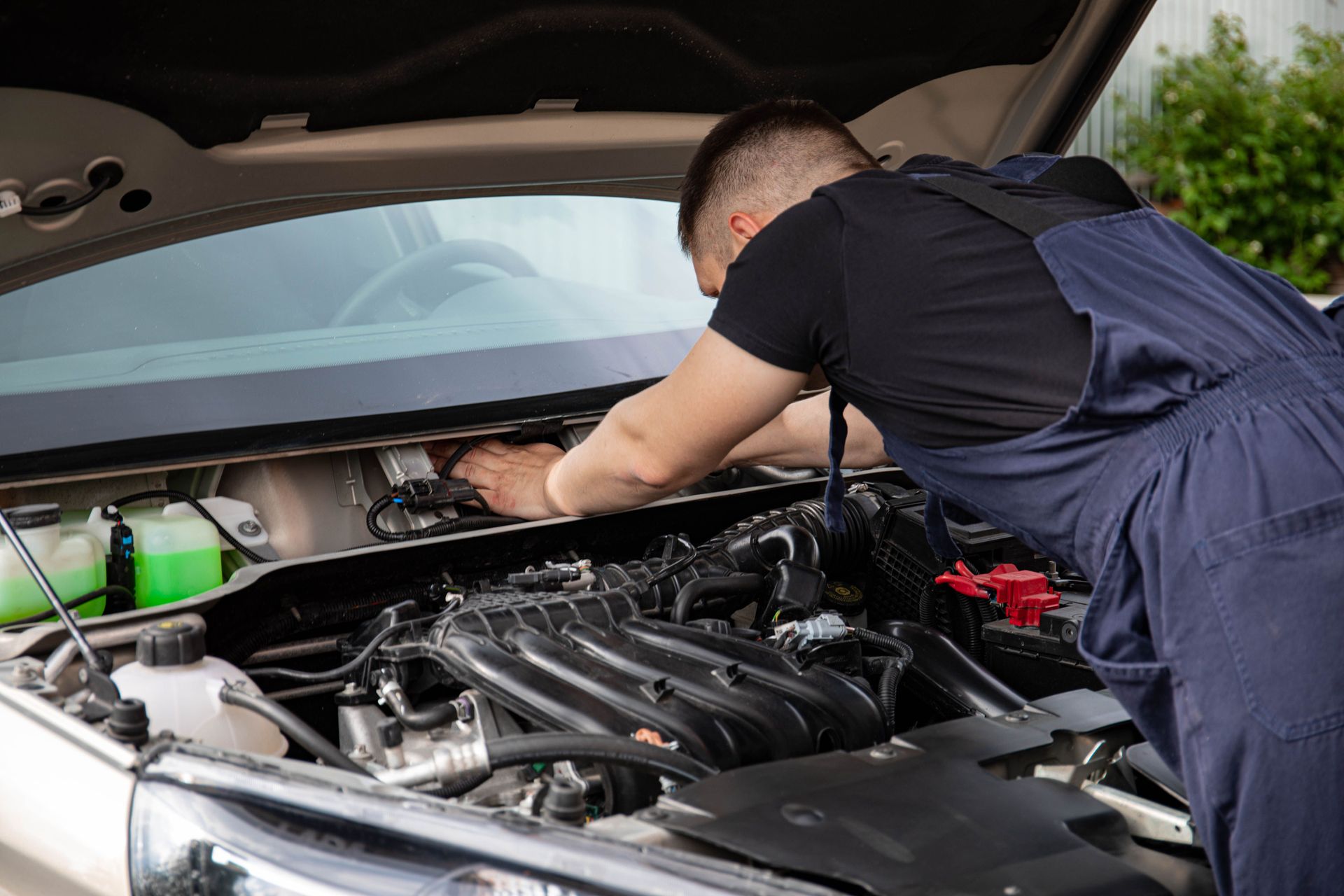
Few things are more frustrating than turning the key or pressing the start button and finding that your vehicle struggles to start—or does not start at all. Hard-start and no-start problems can happen for many different reasons, ranging from simple maintenance issues to more serious mechanical failures. Because several vehicle systems work together to start the engine, diagnosing the exact cause often requires a professional inspection. At Jimmy’s Top Tech Auto, our local mechanics are experts at diagnosing and fixing issues that cause no-start and hard-starts. Weak or Failing Battery A weak battery is one of the most common reasons a vehicle has trouble starting. The battery provides the electrical power needed to crank the engine. Over time, batteries lose their ability to hold a charge due to age, extreme temperatures, and normal wear. Signs of a weak battery may include slow engine cranking or clicking sounds when attempting to start the vehicle. Faulty Starter Motor The starter motor is responsible for turning the engine over when you start your vehicle. If the starter begins to fail, the engine may crank slowly, make a clicking noise, or fail to crank at all. A technician can test the starting system to determine whether the starter is the source of the problem. Fuel System Problems Your engine needs the proper amount of fuel to start and run efficiently. Issues within the fuel system—such as a failing fuel pump, clogged fuel filter, or faulty fuel injectors—can prevent the engine from receiving the fuel it needs. A vehicle with fuel delivery problems may crank then but fail to start, or it may take extended cranking before the engine finally turns on. Ignition System Failures The ignition system plays a critical role in starting your vehicle by creating the spark needed for combustion. Worn spark plugs, faulty ignition coils, or damaged ignition components can interfere with the engine's ability to start properly. Ignition problems may cause hard-starting, rough engine operation, or complete failure to start. Regular maintenance can help identify worn ignition parts before they create major problems. Alternator Issues The alternator keeps your battery charged while your vehicle is running. If the alternator is failing, it may not provide enough power to recharge the battery, eventually leading to starting problems. You may notice dim lights, electrical accessory issues, or warning lights on the dashboard before experiencing a no-start situation. Having the charging system inspected can help identify problems before they become breakdowns. Auto Repair in Austin, TX For expert auto repair in Austin and the surrounding area, contact Jimmy’s Top Tech Auto at (512) 768-2965. Feel free to give us a call to make an appointment!